 English
 中文简体
中文简体 русский
 Español
Introduction to Functional Lining Fabrics
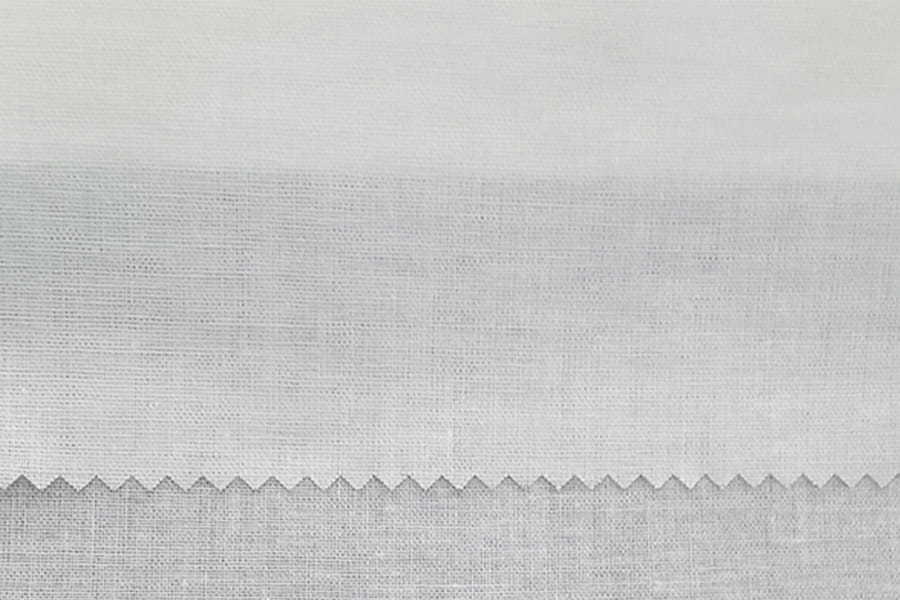
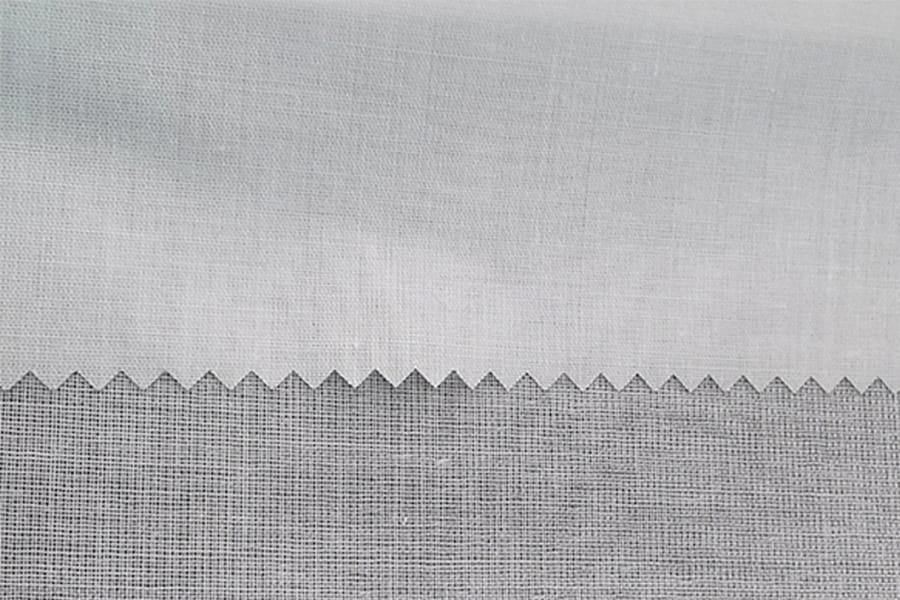
In the modern textile industry, functional lining fabrics have become an essential component for enhancing garment performance. Unlike traditional linings, these fabrics are not only used for inner support or aesthetics but also offer multiple functional benefits such as durability, wear resistance, moisture management, and breathability.
As consumer demand for high-quality and long-lasting apparel continues to grow, especially in outdoor clothing, sportswear, workwear, and premium fashion, functional lining fabrics are increasingly replacing conventional materials. They play a key role in improving product value and extending garment lifespan.
The Role of Functional Lining Fabrics in Enhancing Durability
Protective Layer Against Friction
One of the primary roles of functional lining fabrics is to act as a protective barrier between the outer fabric and the wearer’s body. During daily use, continuous movement creates friction that can quickly wear down the outer layer if unprotected.
Key Advantages:
- Reduces direct friction between skin and outer fabric
- Minimizes pilling and surface damage
- Extends the overall lifespan of garments
Reinforcement of Structural Integrity
Functional lining fabrics are often strategically used to reinforce high-stress areas, such as shoulders, elbows, and knees. These zones experience frequent movement and pressure, making them more prone to wear and tear.
Common Applications:
- Industrial workwear
- Outdoor jackets
- Military or tactical garments
Resistance to Mechanical Stress
In demanding environments like construction sites or outdoor expeditions, garments are exposed to significant stress. Functional lining fabrics help distribute tension evenly, reducing the risk of tearing or localized damage.
Advanced Technologies Behind Wear Resistance
High-Performance Fiber Materials
Functional lining fabrics are typically made from advanced synthetic fibers, including:
- Polyester: Strong abrasion resistance and cost-effective
- Nylon: High tensile strength and elasticity
- Blended fabrics: Balance between comfort and performance
These materials are engineered at the molecular level to ensure long-term durability and stability.
Material Performance Comparison:
| Material Type | Abrasion Resistance | Elasticity | Lifespan | Typical Applications |
|---|---|---|---|---|
| Polyester | High | Medium | Long | Workwear, sportswear |
| Nylon | Very High | High | Very Long | Outdoor, military clothing |
| Cotton | Low | Low | Short | Casual wear |
| Blended Fabric | Medium-High | Medium-High | Medium | Versatile applications |
Surface Finishing Technologies
In addition to fiber selection, functional lining fabrics often undergo advanced finishing processes to further enhance durability.
Common Finishing Techniques:
- Anti-pilling treatment
- Abrasion-resistant coatings
- Water- and oil-repellent finishes
These treatments ensure that the fabric maintains its integrity even after repeated washing and prolonged use.
Moisture Management and Its Impact on Durability
Moisture-Wicking Technology
Moisture is a major factor that contributes to fabric degradation. Functional lining fabrics are designed with moisture-wicking properties that draw sweat away from the skin and keep the fabric dry.
Benefits:
- Prevents bacterial growth
- Reduces odor formation
- Slows down fiber deterioration
Breathability and Temperature Control
Breathable fabrics improve air circulation, reducing internal humidity. This prevents damage caused by prolonged damp conditions and enhances wearer comfort.
Comparison Table: Functional vs Traditional Lining Fabrics
| Feature | Functional Lining Fabrics | Traditional Lining Fabrics |
|---|---|---|
| Durability | High | Medium |
| Wear Resistance | Excellent | Basic |
| Moisture Management | Advanced | Limited |
| Breathability | High | Low to Moderate |
| Application Range | Outdoor, Workwear, Sports | General Clothing |
| Long-Term Cost | Lower (long lifespan) | Higher (frequent replacement) |
Industry Applications of Functional Lining Fabrics
Outdoor and Sportswear Industry
In outdoor and sports applications, garments must withstand extreme conditions such as wind, rain, and constant movement. Functional lining fabrics significantly enhance wear resistance and durability, ensuring long-term performance.
Workwear and Industrial Applications
For industrial workers, clothing is not just about comfort but also safety. Functional lining fabrics provide extra strength and protection, reducing the risk of damage in harsh environments.
Fashion and High-End Apparel
In premium fashion, brands are increasingly focusing on internal quality. Functional lining fabrics improve both durability and comfort, helping brands deliver higher-value products.
In summary, functional lining fabrics play a vital role in enhancing garment durability and wear resistance. Through advanced materials, structural reinforcement, and innovative finishing technologies, these fabrics effectively reduce wear, extend lifespan, and improve overall performance.
As the demand for high-performance textiles continues to grow, functional lining fabrics are becoming a key trend in the apparel industry. For manufacturers, investing in high-quality lining materials not only improves product competitiveness but also reduces long-term costs and increases customer satisfaction.
FAQ
Q1: What is the main difference between functional lining fabrics and traditional linings?
Functional lining fabrics offer enhanced properties such as durability, moisture management, and breathability, while traditional linings mainly provide basic inner support.
Q2: What products commonly use functional lining fabrics?
They are widely used in sportswear, outdoor clothing, workwear, protective garments, and premium apparel.
Q3: Do functional lining fabrics increase production costs?
They may have a higher initial cost, but their longer lifespan makes them more cost-effective in the long run.
Q4: How can I choose the right functional lining fabric?
You should consider the application, required performance (e.g., durability, breathability, water resistance), and environmental conditions.
References
- Textile Research Journal – Functional Fabric Innovations, 2024
- Journal of Industrial Textiles – Wear Resistance Studies, 2023
- Global Textile Market Report – Performance Fabrics Analysis, 2025
- Advanced Materials in Apparel – Engineering Review, 2024