 English
 中文简体
中文简体 русский
 Español
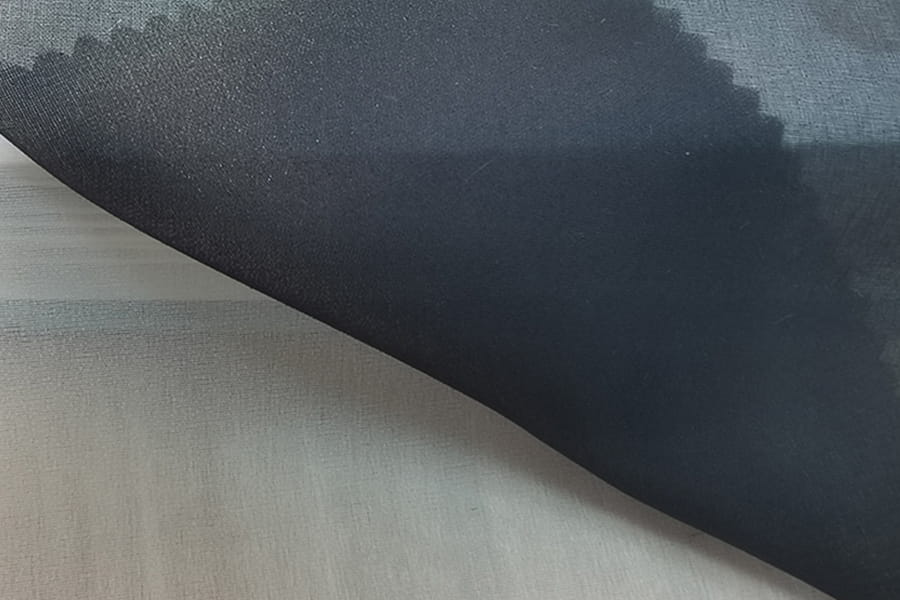
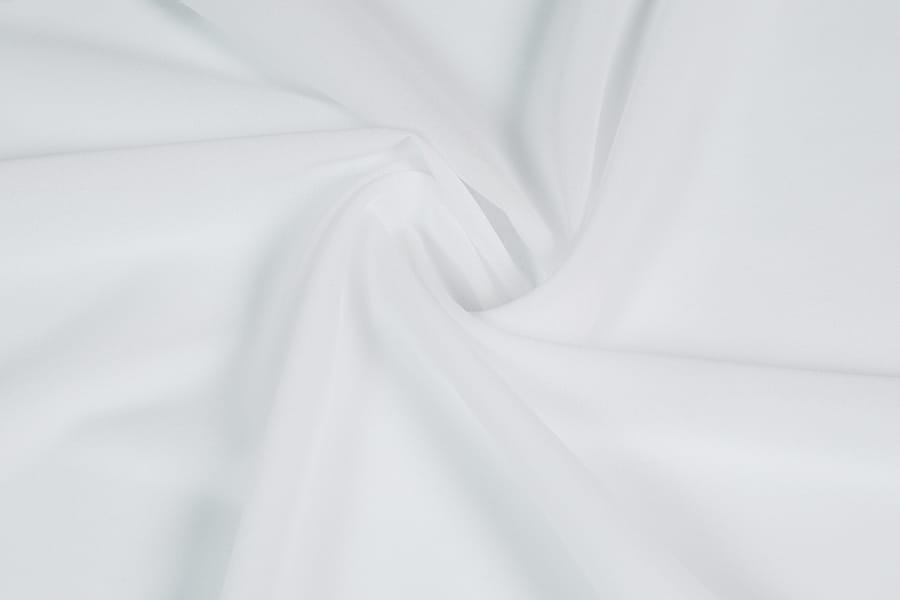
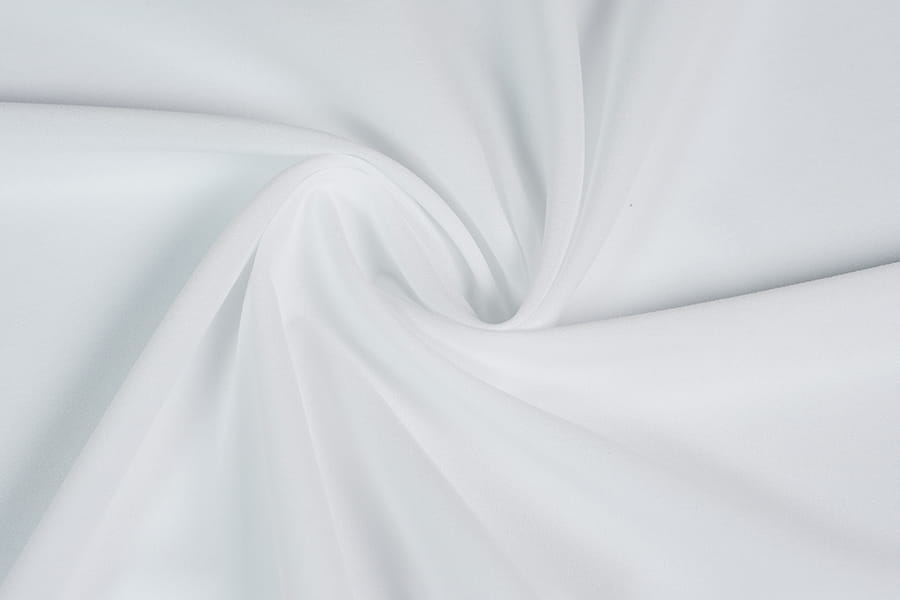
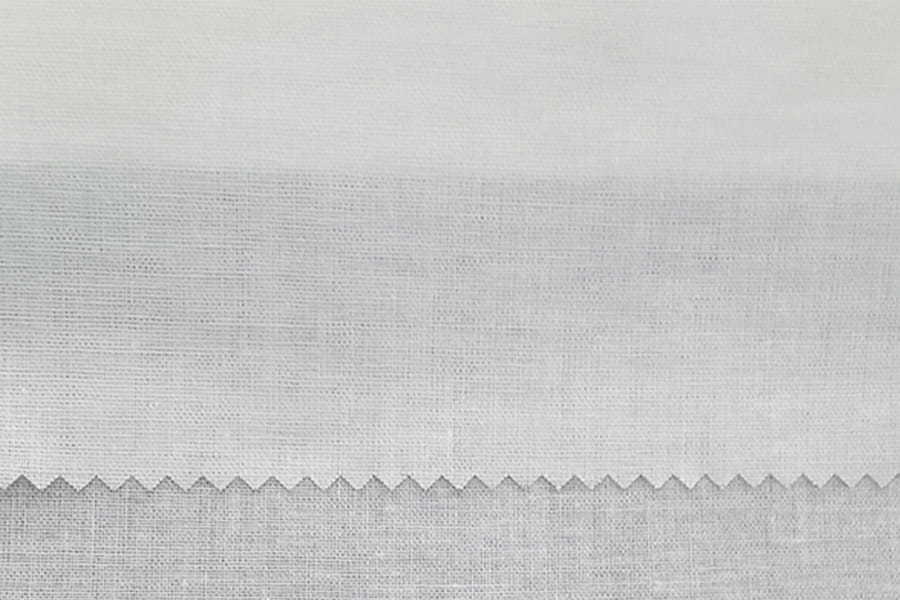
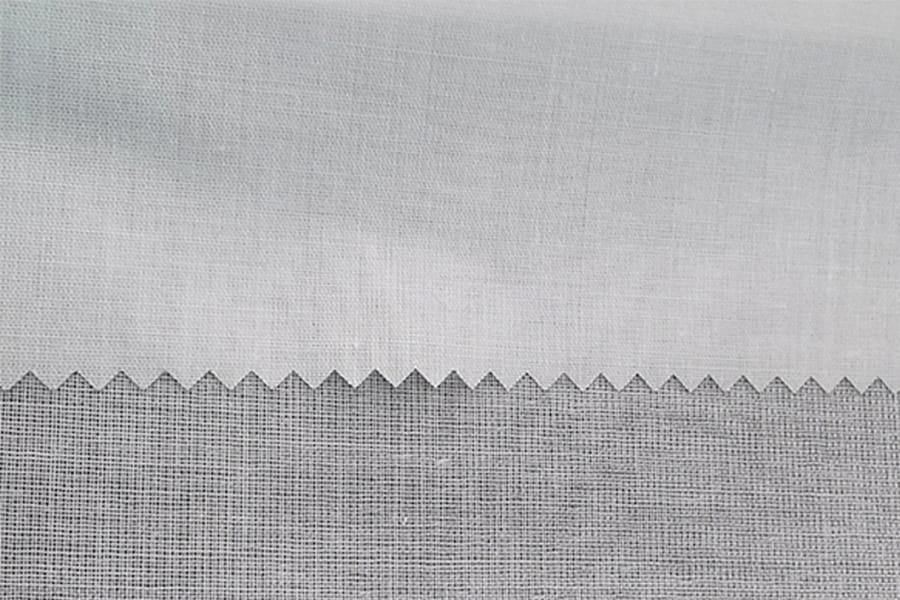
In the realm of garment manufacturing and high-end tailoring, interlining is often hailed as the “skeleton” of a garment. Although hidden beneath the outer shell, Polyester Fusible Interlining determines the crispness, wrinkle resistance, and shape retention of the finished product after laundering. Choosing the wrong weight is a primary cause of production failures: an excessively heavy interlining can make delicate fabrics as stiff as cardboard, stripping away their natural drape, while one that is too light will fail to support the silhouette of heavy fabrics, leading to a collapsed garment structure after only a few wears. Therefore, mastering the scientific matching logic between fabric weight and interlining GSM is essential for enhancing product value.
Understanding the Relationship Between Fabric Weight and Interlining GSM
The primary metric for selecting polyester fusible interlining is GSM (Grams per Square Meter), which represents the weight per square meter. This value reflects both the thickness of the polyester base cloth and the density of the hot-melt adhesive coating applied to its surface. A general industry rule of thumb is: the weight of the interlining should be slightly lighter than or equal to the weight of the outer fabric.
The Role of Base Fabric Composition
Polyester is the preferred base material for interlining due to its exceptional physical stability. Compared to cotton or viscose fibers, polyester base fabrics offer superior heat resistance and extremely low shrinkage rates.
- Dimensional Stability: During pressing and industrial washing, polyester interlining ensures that critical areas like collars and plackets do not warp or deform.
- Hand-feel Customization: Depending on the processing technique, polyester interlining can be engineered with either a “Soft-hand” or “Firm-hand” finish. This flexibility determines the final tactile experience when fused with fabrics ranging from silk to wool.
Adhesive Density and Bonding Strength
Weight also directly influences the application method of the hot-melt adhesive. Typically, PA (Polyamide) or PES (Polyester) adhesives are applied to the base cloth in a dot pattern. High-weight interlinings often utilize “Double Dot” technology, which increases the mechanical interlocking force between the adhesive dots and thick, coarse fibers to prevent delamination. Conversely, low-weight interlinings for sheer fabrics use “Micro-dot” technology to prevent adhesive from seeping through to the face of the fabric—a frustrating technical failure known as “strike-through.”
A Comprehensive Guide to Weight Matching
To optimize production efficiency and reduce defect rates, we categorize fabrics into three primary weight classes, matching them with the appropriate polyester fusible interlining.
| Fabric Category | Typical Examples | Recommended Interlining GSM | Coating Technology |
|---|---|---|---|
| Ultra-Light | Silk, Chiffon, Organza | 15 - 25 GSM | Micro-dot (Low Temp) |
| Light to Medium | Poplin, Rayon, Linen | 30 - 55 GSM | PA/PES Double Dot |
| Medium to Heavy | Wool, Denim, Canvas | 60 - 100+ GSM | High-Density Double Dot |
Designing for Light-Weight Fabrics
For delicate materials like silk and chiffon, the goal is “invisible support.” A polyester fusible interlining of around 20 GSM provides enough stability to prevent seam puckering without adding noticeable bulk. In these applications, the melting point of the adhesive is critical. You must select an interlining that bonds at low temperatures to avoid thermal damage to the delicate structure of synthetic or natural light-weight fibers.
Structural Integrity for Tailored Garments
When constructing blazers or overcoats, the interlining must counteract the natural tendency of heavy fabrics to sag under gravity. A 75 GSM woven polyester interlining provides the necessary tensile strength for chest pieces and shoulder areas. It acts as a structural buffer, absorbing the stresses of movement while ensuring the garment’s exterior remains smooth and wrinkle-free.
Technical Factors Beyond Weight: Stretch and Shrinkage
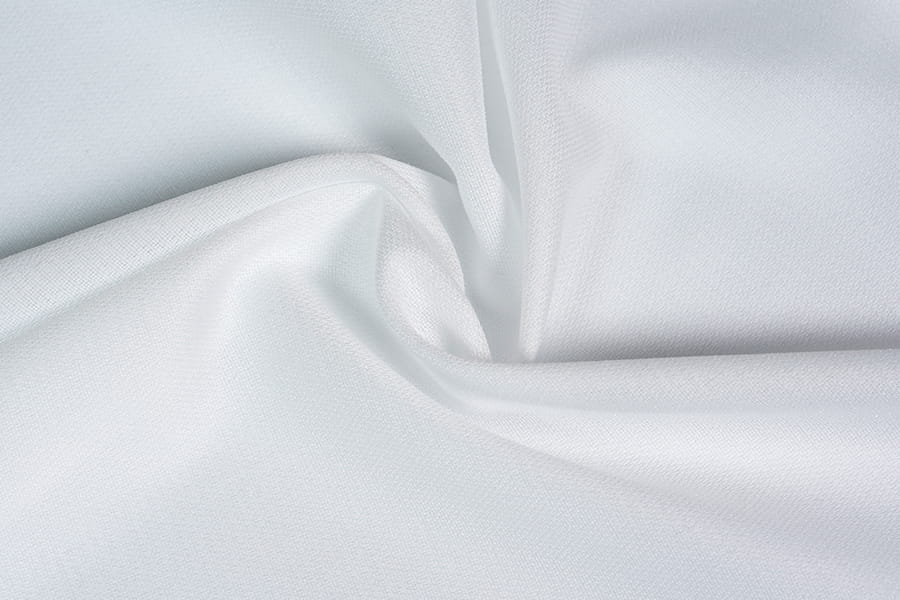
Beyond GSM, the construction of the polyester fusible interlining—whether woven, non-woven, or circular knitted—plays a massive role in how it interacts with the grain of the outer fabric.
Matching Stretch with Stretch
If you are working with modern performance fabrics or jerseys, using a traditional stable polyester interlining will restrict the fabric’s natural elasticity, causing the bond to crack or peel when stretched. In these cases, a Bi-stretch Knitted Polyester Interlining is required. Even at a medium weight of 45 GSM, the knitted structure allows the interlining to expand and contract in tandem with the outer fabric, ensuring a permanent bond without sacrificing wearer comfort.
Preventing Thermal Shrinkage Issues
A hidden threat in bulk production is the differential shrinkage between the fabric and the interlining. High-quality polyester interlinings must undergo a “pre-shrunk” finishing process. When selecting a supplier, verify that the thermal shrinkage rate is controlled within 1%. This prevents the “bubbling” effect caused when the interlining shrinks more than the outer fabric during post-fusing cooling or subsequent washing.
Testing and Quality Control: The Peel Strength Trial
Before commencing high-volume production, sample testing is non-negotiable. Even if the weight appears to be a match on paper, chemical finishes on the outer fabric—such as water-repellent coatings or silicone softeners—can interfere with adhesive performance.
The Peel Test Method
The Peel Strength Test is the industry standard for measuring bonding quality. After the fusing process is complete, the sample must rest for 24 hours to allow the adhesive to fully crystallize. When attempting to peel the interlining away, the bond is considered optimal if the fibers of the base cloth tear before the adhesive releases.
Troubleshooting Common Fusing Issues
If you notice “moiré” patterns or a darkening of the fabric color after fusing, the interlining may be too heavy, or the pressure of the fusing machine may be too high, causing excessive adhesive spread. In such cases, recalibrate the “Three Essentials of Fusing”—Temperature, Pressure, and Time—and consider testing a lower GSM interlining.
FAQ: Professional Insights on Polyester Interlining
Can I use a heavy interlining to add body to a thin fabric?
Generally, this is not recommended. An excessively heavy interlining will result in an unnatural drape and significantly increases the risk of “strike-back.” If more body is required, consider “double-layering” two plies of lightweight interlining rather than using a single heavy layer.
What is the difference between PA and PES adhesives?
PA (Polyamide) offers excellent dry-cleaning resistance and a soft handle, making it the standard for fashion apparel. PES (Polyester) provides superior resistance to industrial laundering and enzyme washes, making it ideal for workwear and uniforms.
Why is my interlining bubbling after the first wash?
This is usually caused by “under-fusing,” where the temperature, pressure, or time was insufficient to fully liquefy the adhesive dots. It can also occur if the fabric is moved or folded before it has completely cooled following the fusing process.
References and Technical Literature
- Textile Science & Technology: Bonding Mechanism of Synthetic Thermoplastic Adhesives.
- International Journal of Fashion Design: The Impact of Interlining Weight on Fabric Drape.
- Garment Engineering Standards: Heat Resistance and Dimensional Stability of Polyester Interlining.
- ASTM D2724: Standard Test Methods for Bonded and Laminated Apparel Fabrics.