 English
 中文简体
中文简体 русский
 Español
What are Lining Fabrics?
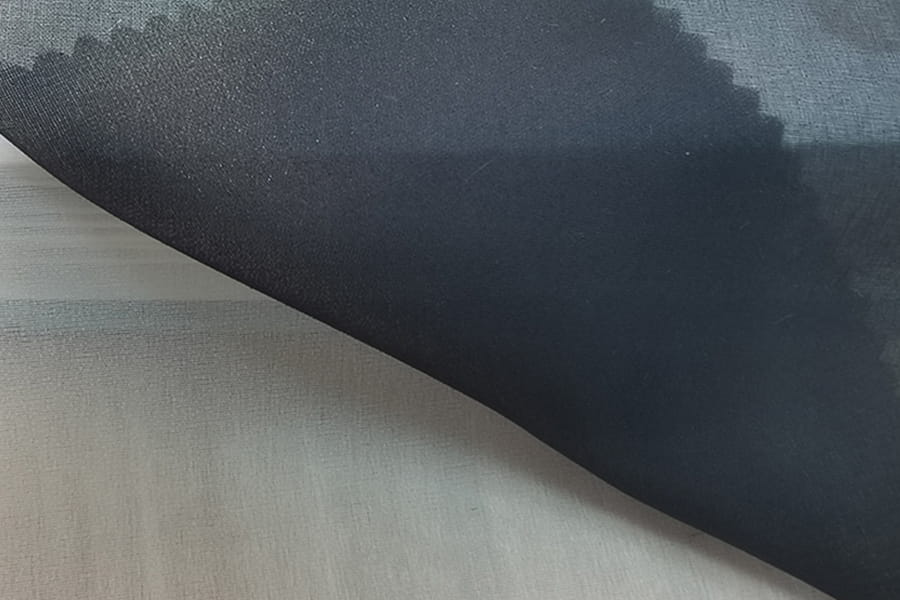
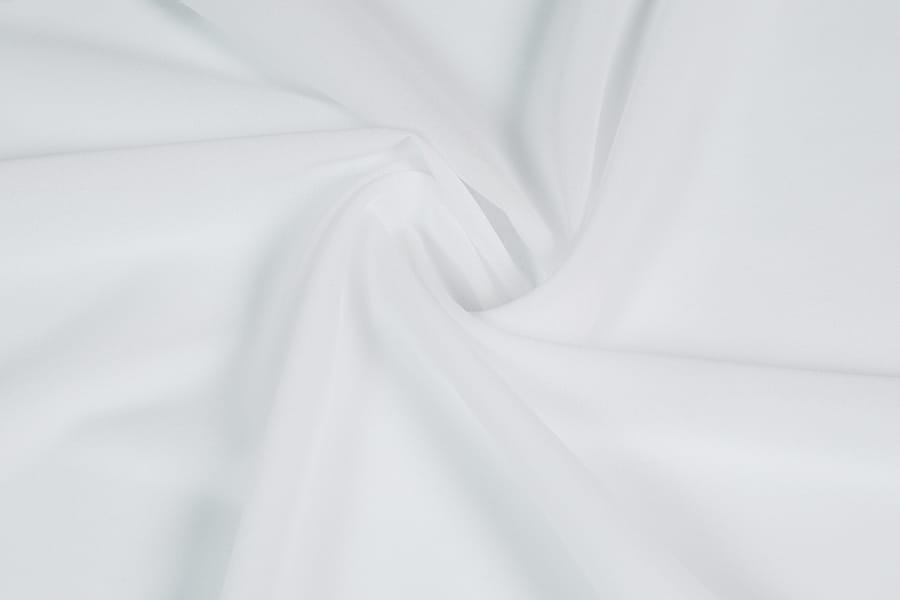
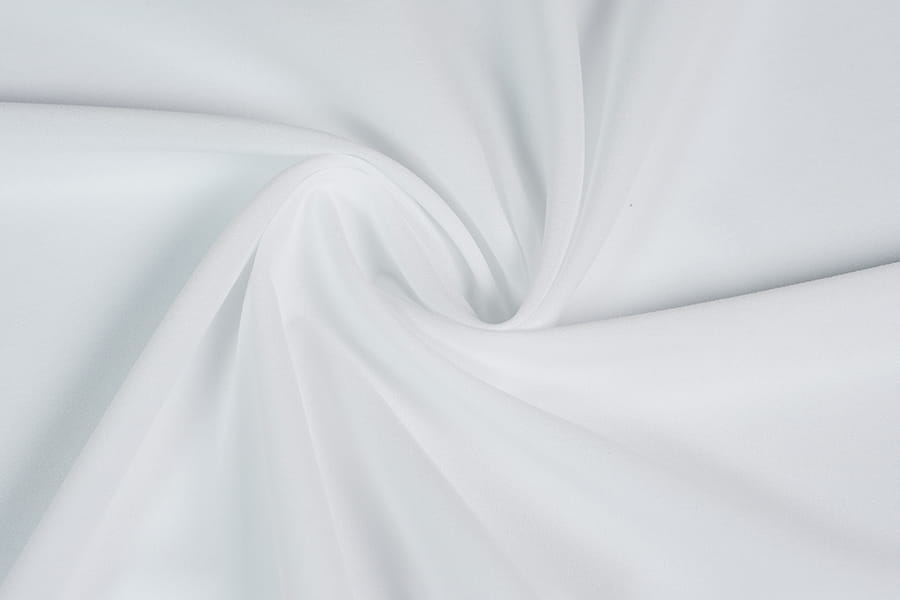
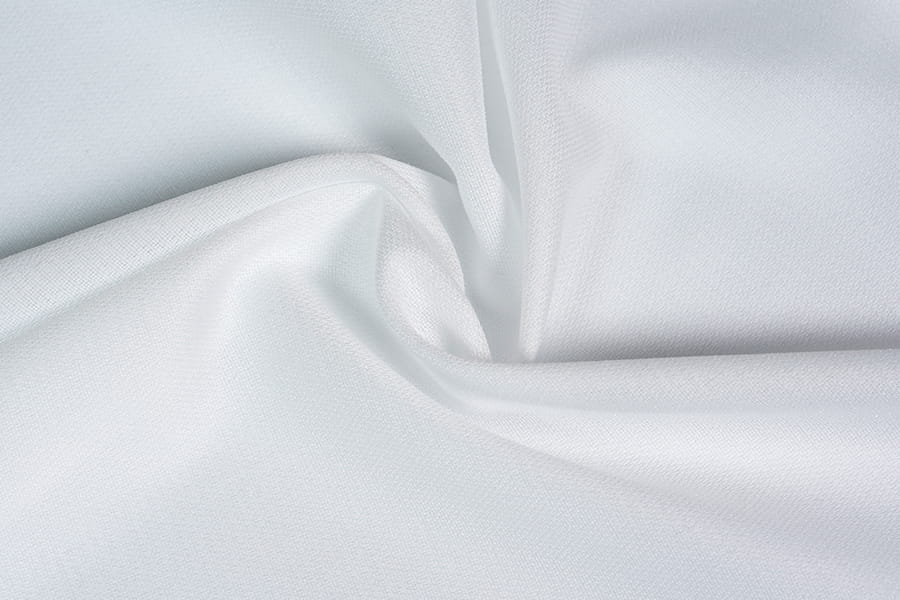
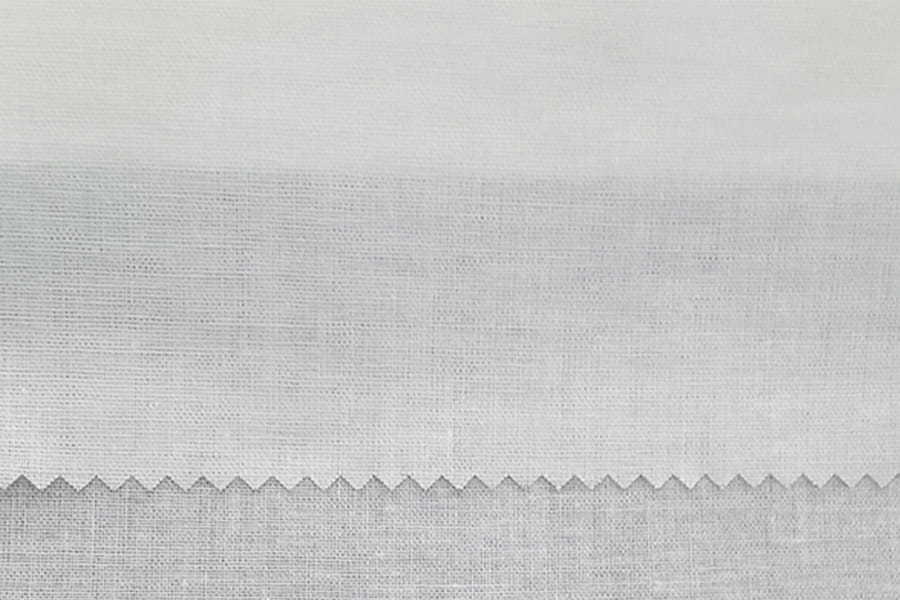
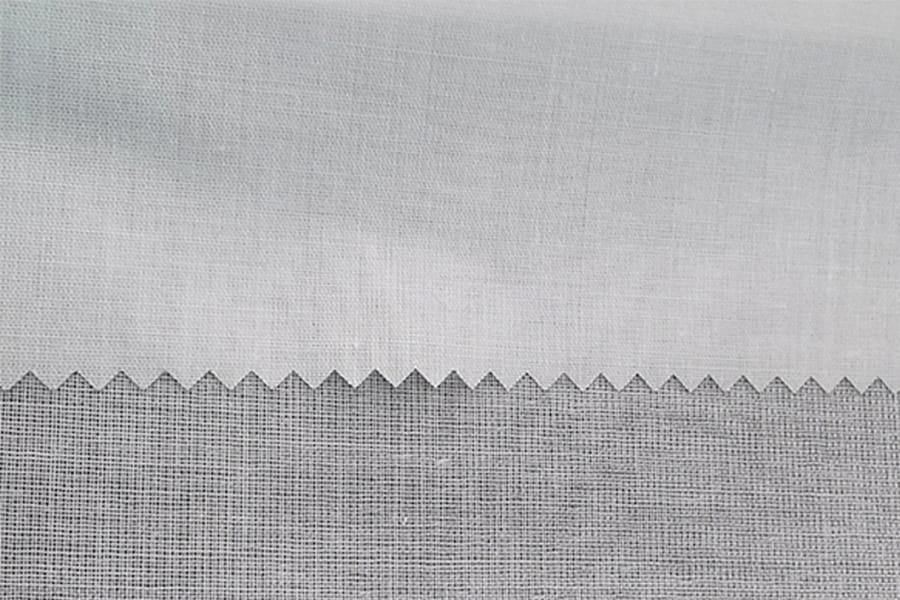
Lining fabrics are materials sewn into the interior of a garment, typically used to finish the inside and provide a smooth, comfortable surface for the wearer. Lining fabrics not only enhance the garment’s appearance by covering up the raw edges and seams, but also contribute to its structure and functionality. These fabrics are often chosen based on the outer fabric, the garment’s design, and the intended purpose of the clothing.
In terms of material, lining fabrics can be made from a variety of fibers, ranging from natural options like cotton, silk, and wool, to synthetic choices such as polyester, acetate, or nylon. The choice of lining fabric impacts the comfort, durability, and overall feel of the garment. For example, a silk lining is often chosen for luxury garments because of its smoothness and sheen, while polyester linings are favored for their durability and cost-effectiveness.
Lining fabrics serve multiple purposes beyond aesthetic value. They provide a layer of insulation, smooth out wrinkles, and offer protection to the outer fabric. Furthermore, they often act as a buffer between the skin and outer garments, preventing friction or discomfort that might result from coarser materials. Whether it’s for a tailored suit, a winter coat, or a delicate dress, the choice of lining fabric can significantly affect the garment’s quality and wearability.
Importance of Lining Fabrics in Clothing Design
Lining fabrics play an essential role in enhancing both the functionality and appearance of garments. The importance of lining fabrics in clothing design can be broken down into several key benefits:
1. Enhances Comfort
One of the primary reasons for using lining fabrics in garments is to improve comfort. The inner lining reduces friction between the rough exterior fabric and the skin, ensuring that the wearer feels comfortable throughout the day. Fabrics like cotton, silk, and satin are soft and smooth against the skin, making them ideal for use as linings, especially in dresses, suits, and blouses.
Without lining, a garment can feel scratchy or uncomfortable, particularly when made from coarse or stiff outer fabrics like wool or tweed. In such cases, the lining acts as a protective barrier, allowing the wearer to experience the comfort of the garment without the irritation caused by the inner seams or raw edges. Additionally, linings help garments slide more easily over the skin, making them easier to wear and take off.
In garments that are worn close to the skin, such as skirts, dresses, and pants, the lining plays an even more important role in ensuring comfort by creating a barrier between the outer fabric and the body. This can prevent chafing and irritation caused by the rough texture of the outer fabric, especially in summer clothing or in items that require frequent movement.
2. Improves Durability and Structure
Another key role of lining fabrics is to improve the durability and structure of a garment. Lining helps support the outer fabric, providing extra strength and preventing it from becoming misshapen or worn out over time. For tailored garments such as suits, blazers, or coats, linings contribute significantly to the garment’s shape and structure. Without a lining, the outer fabric might stretch or sag, resulting in a less polished and ill-fitting garment.
For instance, a tailored jacket with a high-quality lining will retain its shape and offer better drape and fit. The lining prevents the fabric from losing its crisp structure, ensuring that the garment maintains its form even after prolonged use. Additionally, linings act as a protective layer between the skin and the rough exterior fabric, reducing the potential for friction or damage to the outer material.
Furthermore, the lining fabric helps to prevent the inner parts of the garment, such as seams and raw edges, from fraying. This is particularly important for items like suits or evening gowns, where the internal structure is just as important as the external appearance. The durability of the lining material directly influences the garment’s overall lifespan.
3. Polished Appearance
Lining fabrics are also crucial for giving garments a clean, finished look. When you look inside a well-constructed garment, the neatness of the lining is often what sets high-quality clothing apart from mass-produced garments. Lining helps to conceal internal seams, raw edges, and construction elements, creating a smooth and professional finish. This is especially important in formal or high-end fashion, where the attention to detail is paramount.
Many designers use linings in contrasting colors or patterns as a design feature, adding a layer of sophistication and surprise. For example, a dark-colored coat might have a vibrant, patterned silk lining, which not only provides a luxurious feel but also adds an unexpected pop of color. This subtle detail can make a big difference in the overall appeal of the garment, even if the lining isn’t immediately visible.
Moreover, linings help garments maintain their appearance after they are worn. Without a lining, the inner surface of the garment may become disorganized or wrinkled over time, making the garment look less neat. The right lining fabric helps preserve the garment’s shape and ensures that it stays looking sharp.
4. Type of Lining Fabrics
Different types of lining fabrics can be chosen depending on the type of garment, the material of the outer fabric, and the desired qualities of the garment. Below is a table comparing the most common types of lining fabrics and their characteristics:
| Lining Fabric Type | Characteristics | Best Use Cases |
|---|---|---|
| Cotton | Soft, breathable, and comfortable; easy to sew | Casual garments, summer clothing, blouses |
| Silk/Satin | Luxurious, smooth, and shiny; feels cool to the touch | Evening gowns, luxury jackets, formal wear |
| Polyester | Durable, affordable, and easy to care for; retains shape | Outerwear, business suits, low-cost garments |
| Acetate | Soft, smooth, and shiny; resistant to wrinkles | Dresses, evening wear, blouses |
| Nylon | Lightweight, strong, and water-resistant | Outdoor clothing, sportswear, rain jackets |
FAQ
Q1: How do I choose the right lining fabric for my garment?
A1: The choice of lining fabric depends on the type of garment, the outer fabric, and the desired outcome. For formal or luxurious items like evening gowns, silk or satin is recommended, while for casual or everyday garments, cotton or polyester linings may be more suitable. Consider comfort, durability, and the garment’s purpose when making your selection.
Q2: Can lining fabrics be washed like the outer fabric?
A2: In most cases, yes. However, it’s essential to follow the care instructions on the garment’s label. For example, a silk lining may require handwashing or dry cleaning, while polyester linings are usually machine washable. Always check the lining’s specific care instructions to ensure it lasts longer.
Q3: Why is a lining fabric needed in a coat or jacket?
A3: A lining fabric in a coat or jacket provides comfort, helps retain the garment’s structure, and protects the inner seams from wear. It also ensures the jacket slides on smoothly and feels comfortable against the skin, especially if the outer fabric is rough or heavy.
References
- “The Art of Lining: Enhancing Garment Durability and Comfort,” Textile Design Journal, 2021.
- Smith, J. & Liu, H. (2020). The Fabric of Fashion: Understanding Lining Materials and Their Functions. Fashion Publishing.
- “Choosing Lining Fabrics for Garment Construction,” Sewing Today, 2019.