 English
 中文简体
中文简体 русский
 Español
1. Easy to Use
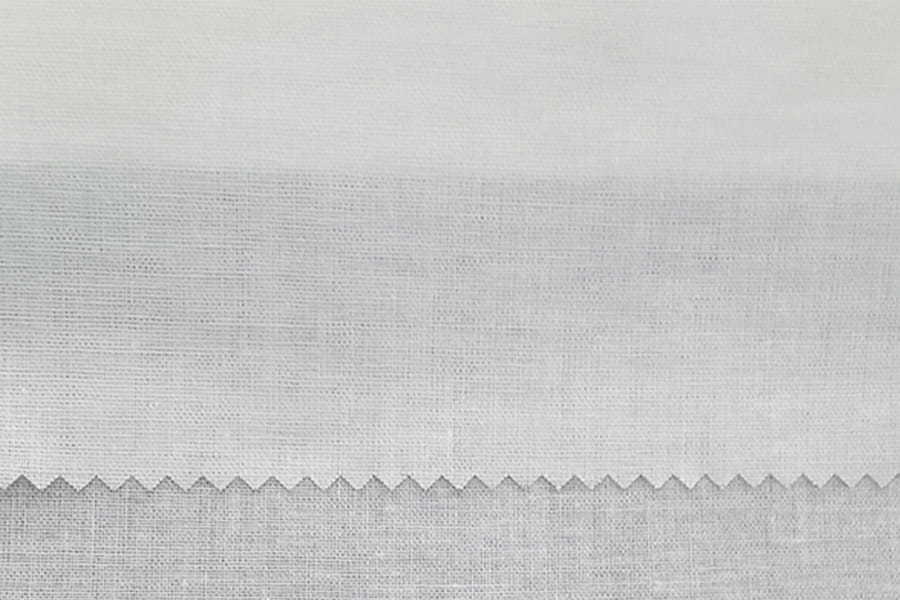
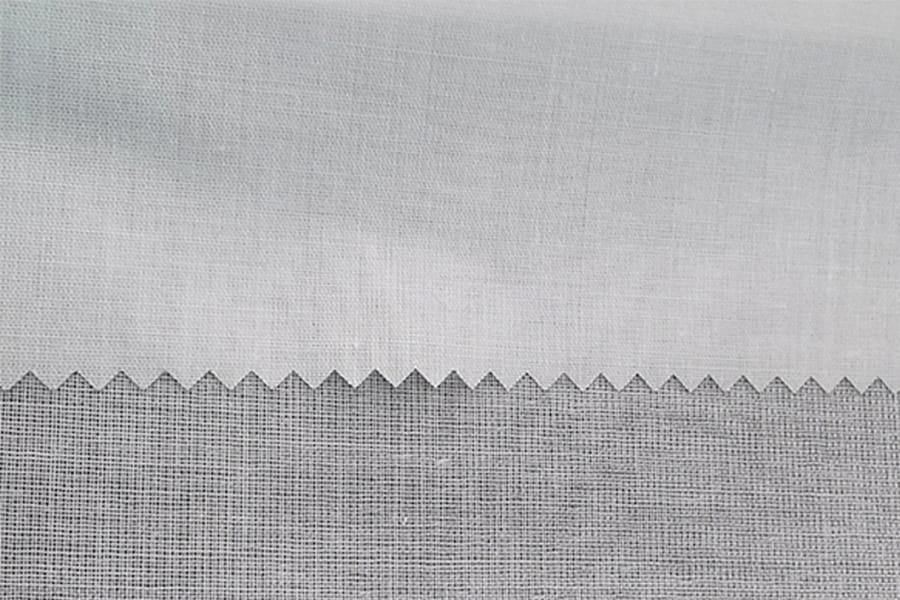
One of the key advantages of Polyester Fusible Interlining is its simplicity. Unlike traditional interlining materials, such as non-woven or cotton interlinings, fusible interlining adheres directly to the fabric through heat pressing or ironing. This eliminates the need for complicated stitching processes. Designers and garment workers can simply place the interlining on the fabric and apply the appropriate temperature and pressure using an iron or heat press.
This feature makes Polyester Fusible Interlining particularly popular in industrial production, especially in high-efficiency manufacturing environments that require quick turnarounds. Furthermore, the lack of additional stitching ensures a smoother and more precise fit of the interlining, reducing the risk of unevenness caused by loose or misaligned seams.
In home sewing, the ease of use is also a major benefit. Even beginners can easily master the application process with basic ironing skills, improving production efficiency. In comparison, traditional interlining materials often require more expertise and experience to achieve the desired effect.
2. Enhances Fabric Stiffness
Polyester Fusible Interlining is ideal for enhancing the structure of fabrics. It adds stiffness to the material, giving garments a more defined shape while maintaining comfort. This feature is especially important in items like suits, shirt collars, cuffs, and outerwear, where maintaining a sharp appearance is crucial.
Compared to traditional non-fusible interlinings, such as non-woven or natural fiber interlinings, polyester fusible interlining offers superior stiffness. Due to its fusible adhesive layer, it bonds tightly with the fabric, ensuring that the interlining stays in place without shifting or wrinkling. Moreover, the strength and durability of polyester fibers further reinforce the structural effect, helping garments retain their shape over time.
For example, suits made with polyester fusible interlining can maintain the sharp lines of pants and the structured shoulders of jackets, preventing sagging or deforming. This is crucial for maintaining the high-quality appearance of garments.
3. Strong Durability
Polyester fibers are known for their durability, making Polyester Fusible Interlining highly resistant to wear and tear. It can withstand frequent washing and everyday wear while maintaining its adhesive properties. Compared to cotton or wool interlinings, polyester fusible interlining performs better when exposed to high temperatures, moisture, and frequent washing, without losing its form or bonding strength.
The following table compares the durability of Polyester Fusible Interlining to other common interlining materials:
| Feature | Polyester Fusible Interlining | Cotton Interlining | Wool Interlining |
|---|---|---|---|
| Abrasion Resistance | Excellent | Poor | Moderate |
| Tear Resistance | Strong | Average | Moderate |
| Heat Stability | Excellent | Average | Poor |
| Washability | Strong | Poor | Average |
| Moisture Adaptability | Strong | Average | Moderate |
As shown in the table, polyester fusible interlining excels in abrasion resistance, tear resistance, and washability, making it particularly suitable for environments where garments are frequently washed or worn under tough conditions. This provides a longer lifespan, making it an ideal material for commercial and large-scale production.
4. Wide Applicability
Polyester Fusible Interlining is extremely versatile and can be used with almost any type of fabric. Whether it’s cotton, wool, linen, synthetic fibers, or even high-end materials like silk or satin, polyester fusible interlining can effectively enhance the structure of the fabric and provide a good fit. This makes it indispensable in various garment designs, especially in those requiring a defined shape such as business suits, outerwear, and formal wear.
In comparison to other interlining materials, which are often tailored for specific fabrics, polyester fusible interlining’s versatility allows designers more freedom when selecting fabric combinations. For instance, when working with mixed fabrics, polyester fusible interlining can seamlessly bond with different materials, achieving the desired design effect.
5. Lightweight and Doesn’t Add Extra Weight
Another significant advantage of Polyester Fusible Interlining is its lightweight nature. Many traditional interlining materials, such as wool or cotton, while offering good structural support, can add unwanted weight to garments, especially in large sizes or heavier fabrics. Polyester fusible interlining, on the other hand, is light but still provides structure, allowing garments to maintain their shape without compromising on comfort.
This lightweight feature makes it ideal for use in lighter fabrics, such as summer jackets, lightweight shirts, and dresses. It helps add structure to the fabric without making the garment feel heavy, ensuring a better overall wearing experience.
6. Wrinkle Resistance
Polyester Fusible Interlining also offers excellent wrinkle resistance. Its polyester fibers help prevent wrinkles from forming in the fabric during wear or after washing, making it especially important in garments that need to remain smooth and crisp, such as business attire and formalwear. It ensures that garments not only look neat throughout the day but also maintain their appearance during storage or transportation.
Compared to other interlining materials, polyester fusible interlining has superior wrinkle-resistant properties. For example, cotton interlining, while comfortable, tends to wrinkle easily over time with prolonged wear. Polyester fusible interlining significantly reduces this issue, keeping garments looking sharp for longer.
FAQ
Q1: How does Polyester Fusible Interlining adapt to different fabric types?
A1: Due to its fusible nature, Polyester Fusible Interlining can be used with a wide range of fabrics, including cotton, wool, silk, and synthetic fibers. By adjusting the temperature and time during ironing, it can be adapted to suit the needs of different fabric types.
Q2: Can Polyester Fusible Interlining be machine-washed?
A2: Most polyester fusible interlinings are durable enough to withstand machine washing, but it’s important to follow the care instructions on the garment’s label. For best results, wash on a gentle cycle and avoid high temperatures to prevent the adhesive from losing its effectiveness.
Q3: What is the main difference between Polyester Fusible Interlining and Cotton Interlining?
A3: Polyester Fusible Interlining is more durable, wrinkle-resistant, and has better adhesive properties compared to cotton interlining. Cotton interlining, while more breathable and comfortable, is less durable and may lose its shape and structure over time.
References
- “Polyester Interlining: Performance and Applications,” Textile Research Journal, 2020.
- Zhang, Y., & Liu, H. (2019). Fabric Interlinings: Advances in Materials and Techniques. Textile Industry Press.
- “Understanding Fusible Interlinings,” Fabric & Fashion Technology, 2021.